
Functional Plating
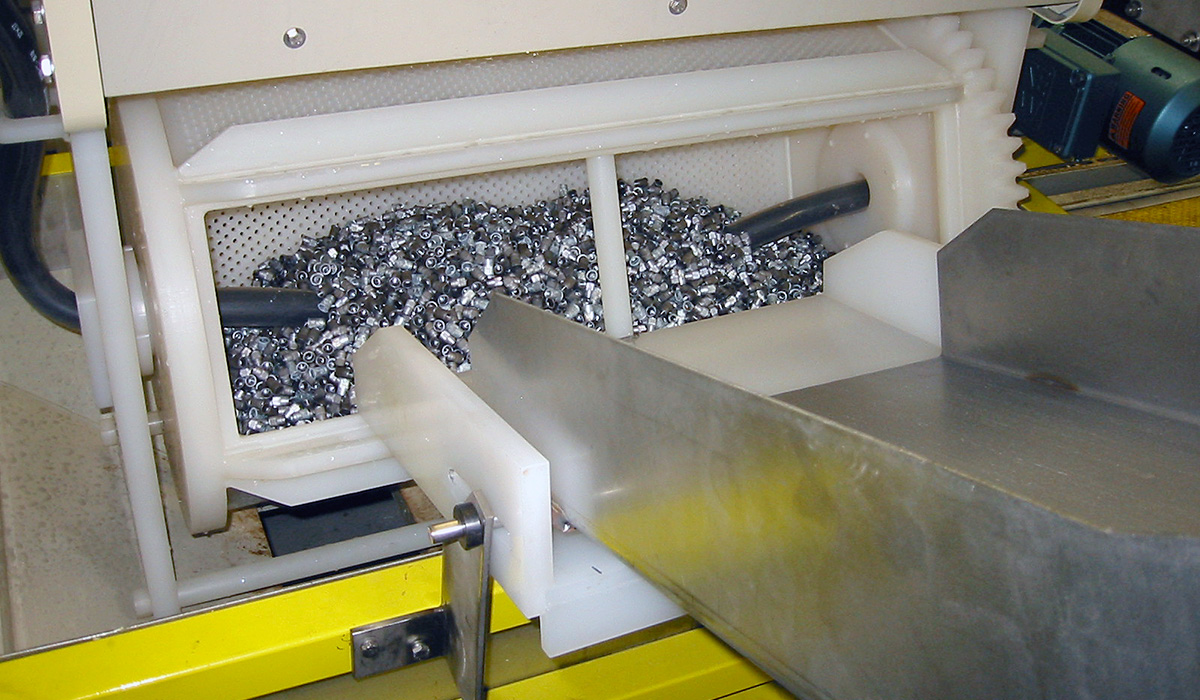

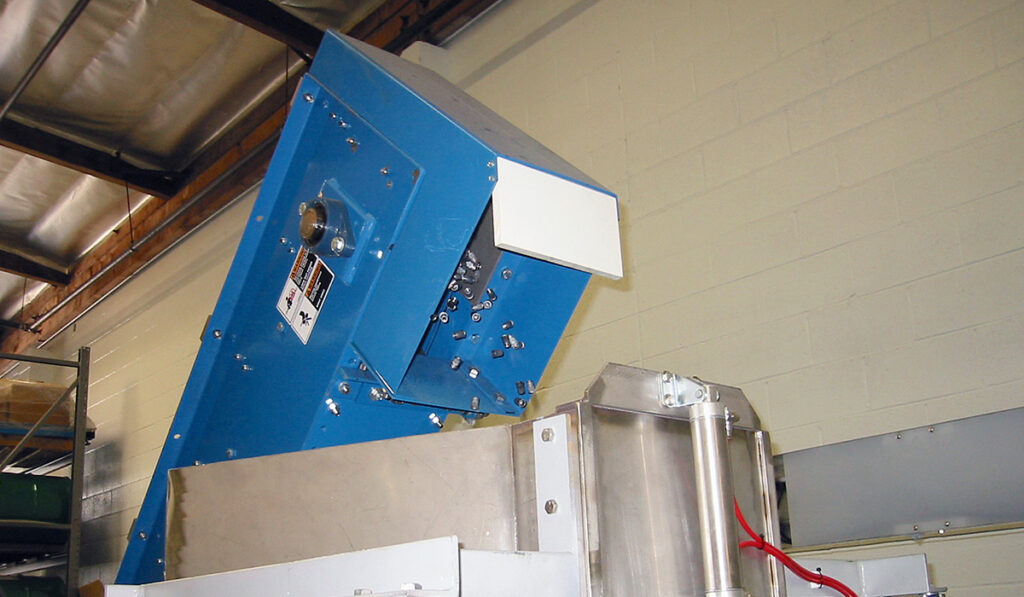
Precision Process works with manufacturers that need functional plating to improve wear resistance, corrosion protection, conductivity, solderability, durability, lubricity, heat resistance, or part dimensions. Our engineering team transforms complex coating and production requirements into a turnkey equipment solution built for consistent results.
Functional plating is designed to change how a component performs, not simply how it looks. The right coating and process can help parts withstand friction, corrosive conditions, heat, electrical demands, and repeated use.
Precision Process brings equipment engineering and functional plating requirements together in one coordinated solution. Instead of forcing your application into a standard system, our team develops equipment around the outcome your operation needs.
Align the equipment with your parts, coating requirements, throughput, available space, and operating goals.
Move from early process discussions through equipment design and system delivery with one engineering partner.
Build a process focused on wear resistance, corrosion resistance, conductivity, solderability, hardness, dimensional restoration, lubricity, or heat resistance.
Develop systems for processes involving chromium, nickel, zinc, tin, gold, silver, palladium, or selected alloys, subject to application requirements.
Balance coating performance with handling, workflow, process control, operator needs, and maintainability.
Address complex requirements that standard or general-purpose equipment may not accommodate.
Keep engineering, process, and production stakeholders aligned from initial discovery through system delivery.
Every successful finishing system begins with a clear understanding of the required coating performance. Precision Process evaluates your parts, substrate, production goals, facility constraints, material-handling needs, and operating requirements before developing a coordinated equipment concept. From engineering and construction through testing, training, documentation, and startup support, each phase is carefully managed to deliver a practical turnkey solution prepared for reliable production.
We begin with the job the coating must perform, such as resisting wear, preventing corrosion, improving conductivity, supporting soldering, or restoring a critical dimension.
Our engineering team evaluates the parts, substrate, coating process, production targets, facility requirements, handling needs, and existing constraints.
We translate the requirements into a practical system approach, identifying the process stages, controls, material flow, and supporting equipment needed.
Precision Process coordinates the equipment solution around the approved scope and application requirements.
The completed system is delivered with the agreed documentation, training, testing, and startup support defined for the project.
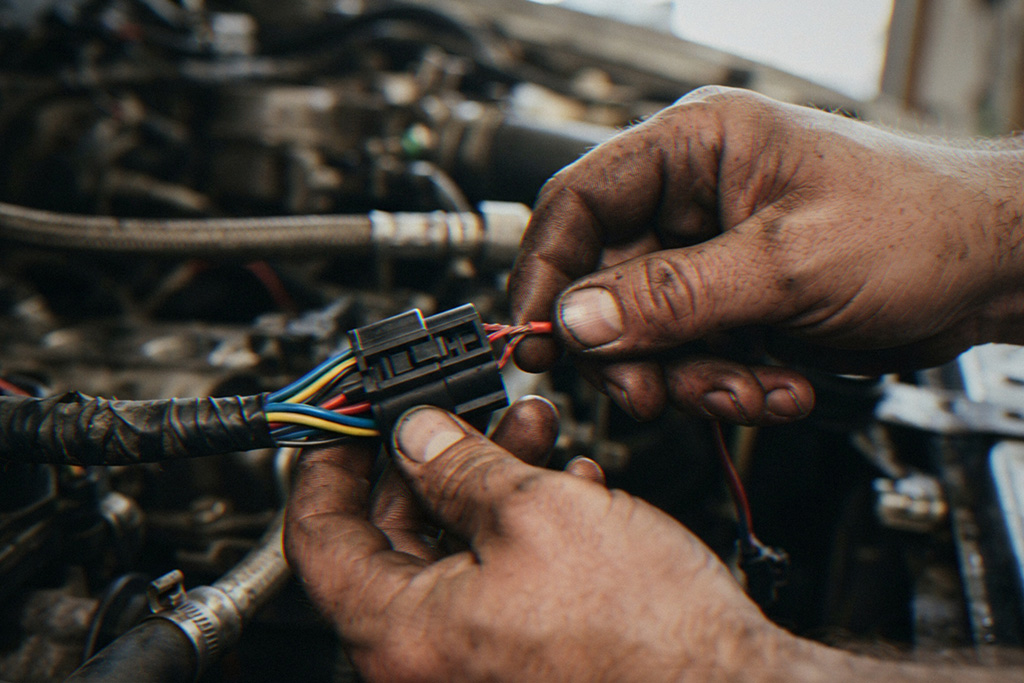
An automotive components manufacturer needed to apply electroless nickel to precision steel components to improve wear and corrosion resistance. Its existing process produced inconsistent coating thickness and required excessive manual handling, making it difficult to meet quality specifications and production targets. A custom finishing systems provider collaborated with the manufacturer’s engineering and production teams to define the coating objectives, part-handling requirements, process stages, controls, and facility constraints. The resulting turnkey functional plating system was engineered around the application and production environment, providing more consistent coating thickness, reducing rework and handling demands, and creating a clearer path toward improved process control, specification compliance, and future capacity growth. According to the manufacturer’s operations director, “The new system gave us greater control over coating quality and helped establish a more reliable production process.”
Operations Director, Automotive Components Manufacturing
| EVALUATION FACTOR | PRECISION PROCESS TURNKEY SOLUTION | OFF-THE-SHELF EQUIPMENT | MANUAL OR CONSTRAINED PROCESS |
| Fit for the application | Engineered around defined parts, coating goals, and production requirements | May require the process to fit predetermined equipment | Relies heavily on existing limitations and workarounds |
| Functional performance focus | Starts with the mechanical, electrical, chemical, or dimensional result required | May focus primarily on standard process configurations | Results may depend more heavily on operator technique |
| System integration | Process stages, handling, controls, and supporting equipment can be coordinated as one solution | Integration may require multiple suppliers or added engineering | Limited integration can create production bottlenecks |
| Customization | System scope can be tailored to application and facility needs | Options are typically limited to available configurations | Changes may be incremental rather than system-wide |
| Project coordination | One engineering partner helps move the project from requirements to a turnkey equipment solution | The customer may need to coordinate several vendors | Internal teams remain responsible for ongoing workarounds |
| Scalability | Production goals can be considered during system development | Future capacity may be limited by the selected platform | Capacity often depends on adding labor or shifts |
| Best fit | Complex, specialized, or production-critical functional plating applications | Straightforward applications that fit a standard design | Low-volume work where current limitations remain acceptable |
Understanding the process, equipment options, customization requirements, project costs, and implementation timeline is essential when evaluating a functional plating system. These frequently asked questions explain how functional plating improves component performance, what information supports an effective application review, and how Precision Process develops equipment around your production goals, facility constraints, and technical requirements.
Functional plating applies a metal coating primarily to improve how a part performs. Depending on the application, the coating may increase wear or corrosion resistance, improve electrical conductivity or solderability, increase hardness, restore dimensions, reduce friction, or help a part withstand heat.
Functional plating prioritizes measurable performance. Decorative plating primarily changes appearance, although it may also provide some corrosion protection.
This page presents Precision Process as a provider of engineered functional plating equipment solutions. Clearly state any in-house process development, testing, production plating, or laboratory services separately if those services are available.
Common options include chromium, nickel, zinc, tin, gold, silver, palladium, and various alloys. The appropriate coating depends on the substrate, operating environment, performance requirement, and process specifications.
Yes. A system can be developed around factors such as part geometry, production volume, coating requirements, material handling, available floor space, controls, utilities, operator access, and integration with existing operations. Final capabilities depend on the approved project scope.
Helpful starting information includes part drawings or dimensions, substrate material, desired coating, required performance, coating specifications, production volume, current process details, quality concerns, facility constraints, and the desired implementation schedule. If some details are still unknown, the discussion can begin with the performance problem you need to solve.
Pricing depends on the process, system size, production rate, automation level, controls, materials of construction, handling requirements, testing, documentation, and installation support. After reviewing the application and scope, Precision Process can outline the recommended approach and prepare project-specific pricing.
Lead time varies with engineering complexity, system size, component availability, testing, and the required delivery scope. Precision Process can provide a preliminary schedule after the core technical and production requirements are defined.
Integration may be possible depending on the condition, controls, layout, capacity, and compatibility of the existing equipment. The engineering team can review these factors during the application assessment.
Functional plating is widely used where component performance under stress, friction, electrical demand, heat, or corrosive conditions matters. Applications are common in aerospace, automotive, oil and gas, electronics, heavy machinery, and other demanding manufacturing environments.
A member of the Precision Process team will review the information and contact you to clarify the application, priorities, and next steps. Adding drawings, specifications, production targets, or process details can help make the first conversation more productive.
Whether you are developing a new process, replacing constrained equipment, increasing capacity, or solving a persistent coating challenge, Precision Process can help turn your requirements into a practical turnkey equipment solution.