
Tailored Finishing Systems
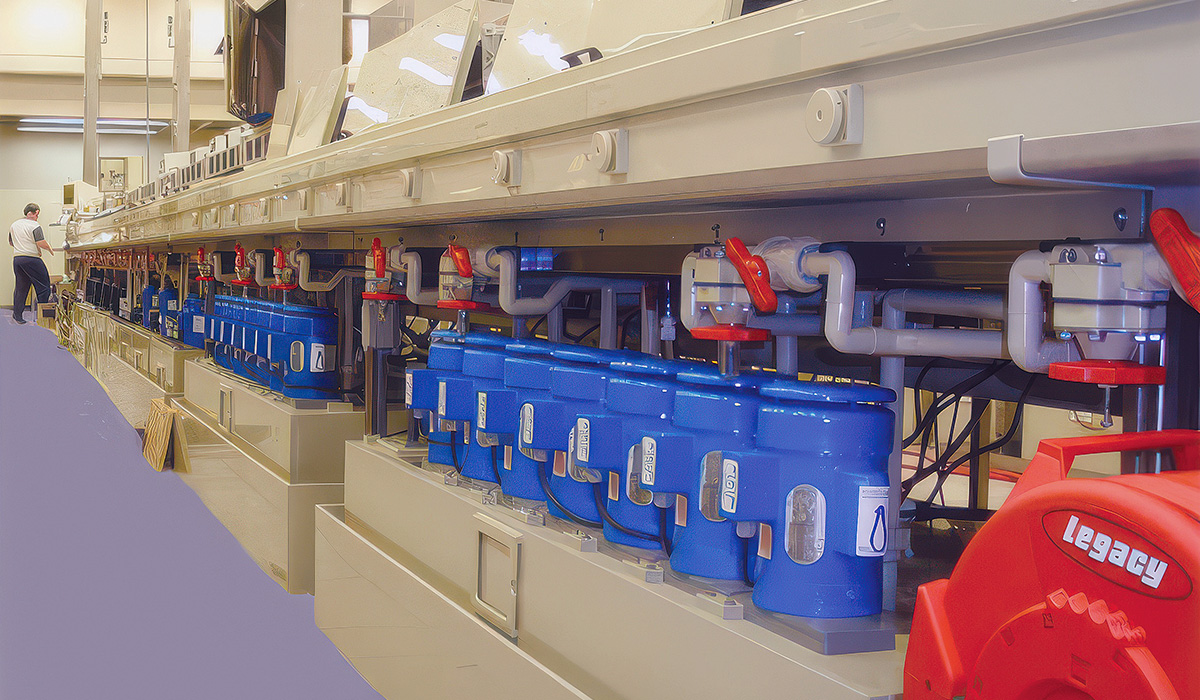

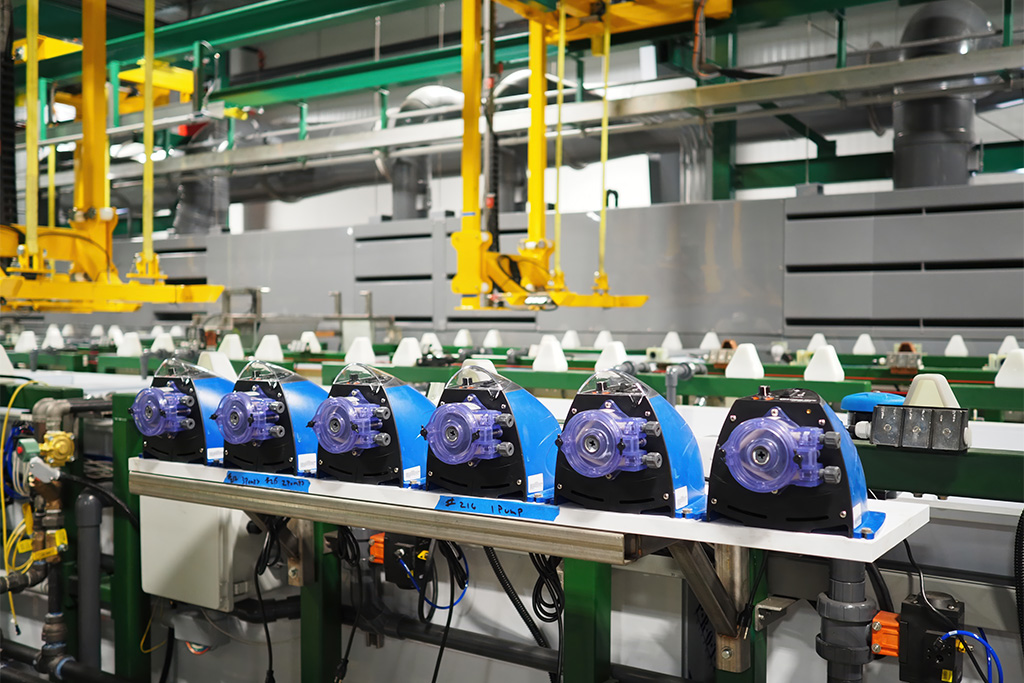
Improve throughput, simplify operation, and gain a finishing system engineered around the way you need to work.
Precision Process specializes in complete, custom finishing systems for demanding production environments. Our mechanical, electrical, chemical, and controls engineers work together to create batch and continuous processing equipment that fits your parts, workflow, facility, and production goals.
Built for electroplating, anodizing, and other wet finishing applications, each system is designed to deliver dependable performance without unnecessary complexity.
Standard equipment can create compromises in process flow, capacity, maintenance, and floor space. Precision Process develops each finishing system around the application, bringing equipment, material handling, automation, and controls together in one practical solution.
Equipment layouts follow the movement of your parts, people, and materials to support efficient production.
System designs can support individual loads, steady production flow, or a combination of processing needs.
Hoists, conveyors, transfers, load stations, and related equipment are coordinated with the finishing process.
Controls are developed around your process steps, timing, movement, recipes, alarms, and reporting needs.
Materials and components are selected for the chemicals, moisture, temperatures, and operating conditions of the application.
Layouts, tank sizing, movement, and process flow are refined to reduce avoidable delays and support production targets.
Accessible components, practical layouts, and durable construction help simplify inspection, service, and replacement.
Mechanical, electrical, chemical, and controls requirements are developed together rather than treated as separate systems.
Precision Process can support the project from early concept and detailed engineering through testing, installation, and commissioning.
Every successful finishing system begins with a thorough understanding of the operation it must support. Precision Process evaluates your parts, process requirements, production goals, workflow, facility constraints, utilities, safety considerations, and existing equipment before developing a solution. From initial concept and detailed multidisciplinary engineering through fabrication, validation, installation, commissioning, and ongoing support, our structured approach brings every system component together. The result is a fully integrated, turnkey finishing system engineered to improve process control, simplify operation, and deliver dependable long-term performance.
We review your parts, finishing requirements, production goals, workflow, facility, utilities, safety needs, and existing equipment.
Our engineering team defines the process flow, equipment layout, material handling, automation strategy, and major system requirements.
Mechanical, electrical, chemical, and controls engineers refine materials, tanks, movement, flow paths, access, and system interfaces.
The system is assembled, checked, and tested against agreed requirements before installation.
We help integrate the system into your facility, confirm operation, prepare your team, and support long-term performance.
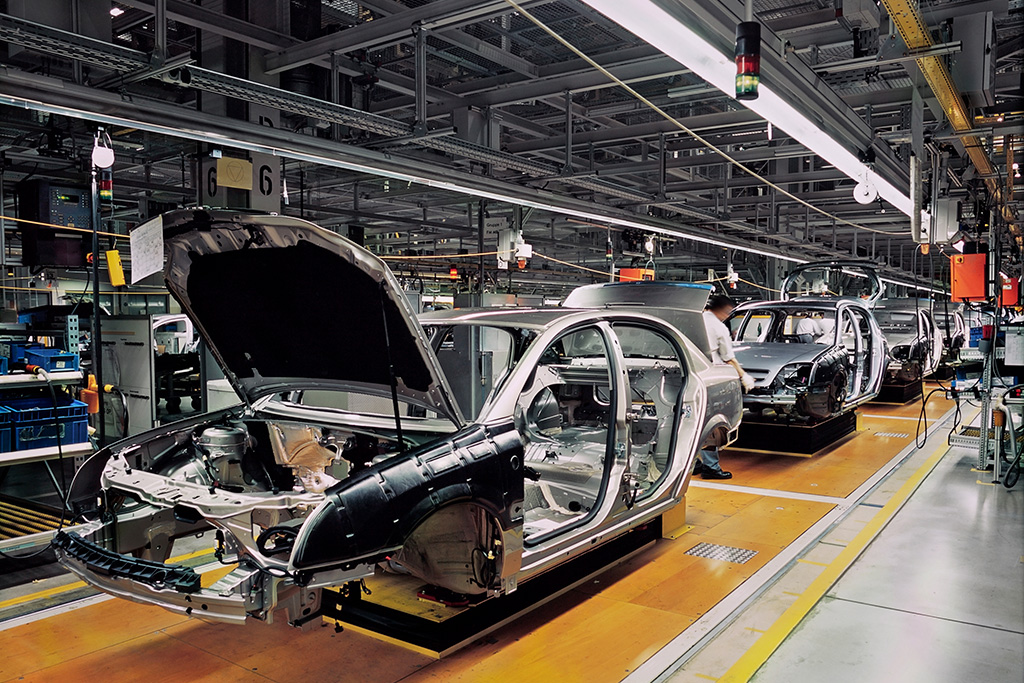
A high-volume automotive component manufacturer needed a new zinc electroplating system for stamped steel parts. Its existing process limited capacity, required excessive manual handling, produced inconsistent finishing results, and made routine maintenance difficult.
A custom batch electroplating system was precision-engineered around the manufacturer’s workflow. The solution combined automated hoist handling, programmable process controls, optimized tank placement, and accessible system components to improve part movement, processing consistency, operator safety, and maintenance efficiency.
The system is expected to increase production throughput by 25%, reduced manual handling by 30%, and decreased maintenance-related downtime by 20%. It also improved finish consistency and expanded production capacity without requiring additional floor space.
| EVALUATION AREA | PRECISION PROCESS | STANDARD PACKAGED SYSTEM | MULTIPLE SPECIALIZED VENDORS | IN-HOUSE DEVELOPMENT |
| Fit for your workflow | Designed around parts, process flow, facility, and production goals | Requires operation to fit available configurations | Fit depends on coordination among suppliers | Can be tailored if the required expertise is available |
| Finishing applications | Built for electroplating, anodizing, and other wet processes | Application range may be limited | Expertise can vary by supplier | Depends on internal process experience |
| Engineering coordination | Mechanical, electrical, chemical, and controls disciplines work together | Custom engineering may be limited | Customer often coordinates separate teams | Internal team owns coordination and technical risk |
| Material handling | Integrated with tanks, process timing, and controls | Limited to standard options | May come from a separate supplier | Requires internal design or outside support |
| Automation and controls | Developed around the complete finishing process | Standard control functions with limited flexibility | Interfaces may require added integration work | Requires programming and long-term internal support |
| Chemical environment | Materials selected for the specific chemistry and conditions | Based on standard material choices | Responsibility can be divided among suppliers | Depends on internal specifications |
| Maintenance access | Considered during layout and equipment design | Determined by standard equipment geometry | Can vary across supplied components | Depends on available design resources |
| Project accountability | One engineering partner from concept through commissioning | Scope may end at equipment delivery | Responsibility is divided among suppliers | Customer owns schedule, coordination, and outcomes |
| Future changes | Can include modular features and expansion planning | Expansion is limited to compatible standard options | Changes may require several vendors | Requires additional internal engineering |
Operations Manager, Automotive Manufacturing
Planning a finishing system requires careful consideration of process requirements, production goals, equipment integration, facility constraints, maintenance, and long-term support. The answers below explain how Precision Process approaches system cost, customization, engineering, material selection, project scheduling, installation, and post-commissioning service. Whether you need a single automated module, integration with existing equipment, or a complete turnkey system, these insights can help you prepare for an initial discussion and make informed decisions about your investment.
Cost depends on system size, process type, production capacity, materials, automation, material handling, controls, utilities, installation, and testing requirements. Precision Process develops a project-specific proposal after the scope and technical requirements are understood.
Precision Process develops batch and continuous plating systems, anodizing systems, material handling equipment, automated process modules, and related equipment for wet finishing environments.
Lead time varies with project complexity, system size, engineering requirements, component availability, testing, and installation scope. A detailed schedule is established after the project requirements and responsibilities are defined.
The system can be tailored around parts, production volume, process stages, chemistry, cycle times, handling, automation, controls, safety requirements, utilities, available floor space, maintenance needs, and future expansion plans.
Helpful information includes part drawings, rack or barrel requirements, production volumes, process steps, chemistry, cycle times, quality standards, available space, utilities, control preferences, existing equipment details, and the desired project schedule. Precision Process can help identify missing requirements during the initial discussion.
Yes, when the existing equipment, controls, utilities, and facility conditions support integration. Our engineers evaluate the interfaces and constraints before recommending the best approach.
Project scope can range from specific equipment and automated modules to complete turnkey systems. The appropriate scope depends on your internal capabilities, existing assets, integration needs, and project responsibilities.
Materials are evaluated against the process chemistry, concentration, temperature, exposure, mechanical demands, and surrounding environment. Selection is coordinated with the overall equipment and maintenance strategy.
Maintenance needs are considered in component selection, access, layout, guarding, piping, wiring, controls, and replacement planning. The goal is to reduce avoidable service difficulty without compromising safety or performance.
Support may include documentation, operator and maintenance training, troubleshooting, spare or replacement parts, controls assistance, system modifications, and future capacity upgrades, depending on the project scope.
Whether you need a complete new line, an automated process module, integrated material handling, or a system designed for future growth, Precision Process can help turn your production requirements into practical equipment.