
Flawless Commissioning
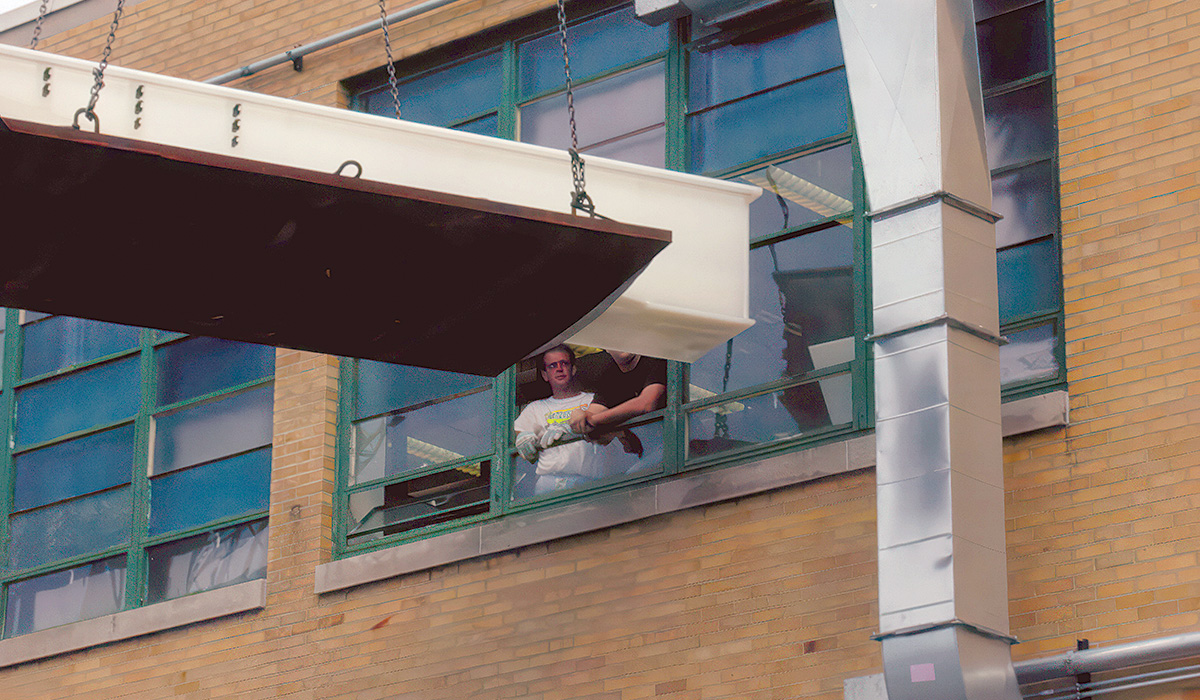

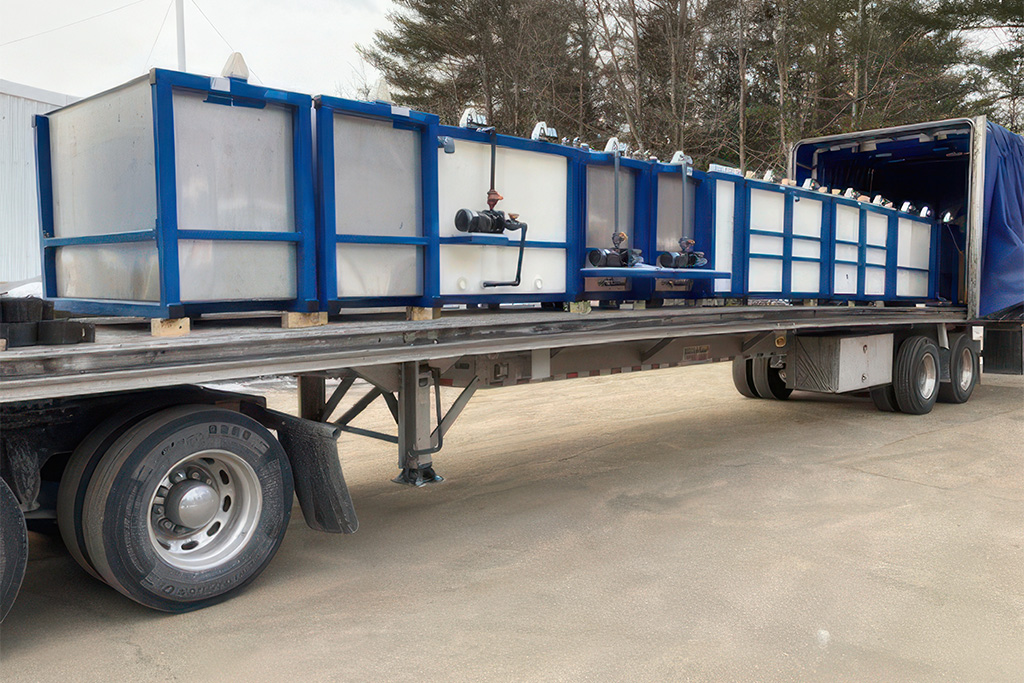
Precision Process delivers disciplined, documented commissioning for turnkey finishing systems so your line begins production reliably from day one. We coordinate project milestones, factory testing, on‑site installation and operator training to eliminate startup risk and hidden costs. That means faster ramp, predictable output and long‑term reliability.
Ready to lock a start date? Request a quote for your commissioning scope today.
From the first schedule review to final handoff, every step is built to reduce risk and keep your project moving. Disciplined project management aligns teams, factory acceptance testing catches issues before site installation, and field technicians ensure equipment is installed, calibrated, and safety-checked to specification. At turnover, you receive verified performance data and complete configuration records, plus hands-on training to support operators and maintenance teams. With ongoing lifecycle support available after commissioning, your system stays optimized for reliability, uptime, and long-term performance.
Schedules, design reviews and change control keep teams aligned and eliminate surprises.
Pre‑site validation of mechanical, electrical and automation systems reduces on‑site rework.
Field technicians perform fit‑up, calibration and safety checks to meet design specs.
Verified performance data and configuration records provided at turnover.
Hands‑on control, maintenance and best‑practice training to maximize uptime.
Post‑commissioning service and upgrades that keep systems optimized.
Commissioning is a structured process designed to reduce risk and ensure every system performs as intended. It starts with planning, where milestones, acceptance criteria, and test plans are defined early in design. Factory validation then confirms key mechanical, electrical, and controls components before shipment, helping avoid delays on site. Once installation begins, the team completes fit-up, utility connections, and structural integration, followed by calibration and testing to verify performance parameters. The process concludes with validated handoff materials, operator training, and maintenance documentation to support a smooth start-up and long-term reliability.
Define milestones, acceptance criteria and test plans during design reviews.
Complete FATs—mechanics, rectifiers, dosing and PLC/HMI—before shipping.
Mechanical fit‑up, utility connections and structural integration.
Tune controls, verify current densities, emissions and wastewater parameters.
Deliver validated performance reports, operator training, and maintenance documentation.

A medical device manufacturer commissioned a selective plating cell with a strong focus on process control, documented traceability, and operator readiness. The project included installation verification, calibration, and hands-on training to ensure the cell performed consistently from day one. Clear records were created for critical settings, test results, and operating procedures, giving the quality team the documentation needed to support compliance requirements. As a result, the operation passed its first audit and moved products through release more quickly, reducing delays and strengthening confidence in the new process.
Production Manager, Electronics Manufacturing
Commissioning questions often come down to cost, timing, risk, and what support is included at handoff. In most projects, commissioning is scoped to the complexity of the system, but it typically pays off by reducing rework, protecting schedules, and lowering lifecycle cost. Lead times are usually built into the engineering plan, with onsite commissioning commonly taking two to six weeks depending on scope. The process can also support retrofits and legacy systems, while validating key performance metrics and delivering the training and documentation teams need for a smooth startup and reliable operation.
Varies by scope. Commissioning reduces lifecycle cost by preventing rework—detailed scope and estimate provided after discovery.
Planning and FAT scheduling occur during engineering. Factory tests and build are part of the standard schedule; onsite commissioning typically takes 2–6 weeks depending on scope.
Yes—our team handles retrofits, upgrades and phased commissioning while minimizing production impact.
Mechanical fit, electrical/rectifier stability, current density uniformity, control recipe reproducibility, emissions and wastewater parameters where applicable.
Yes—operator training, maintenance guides and verified configuration records are delivered at turnover.
Schedule a meeting with a surface finishing engineer to discuss your commissioning needs.